
The opinion of the experts
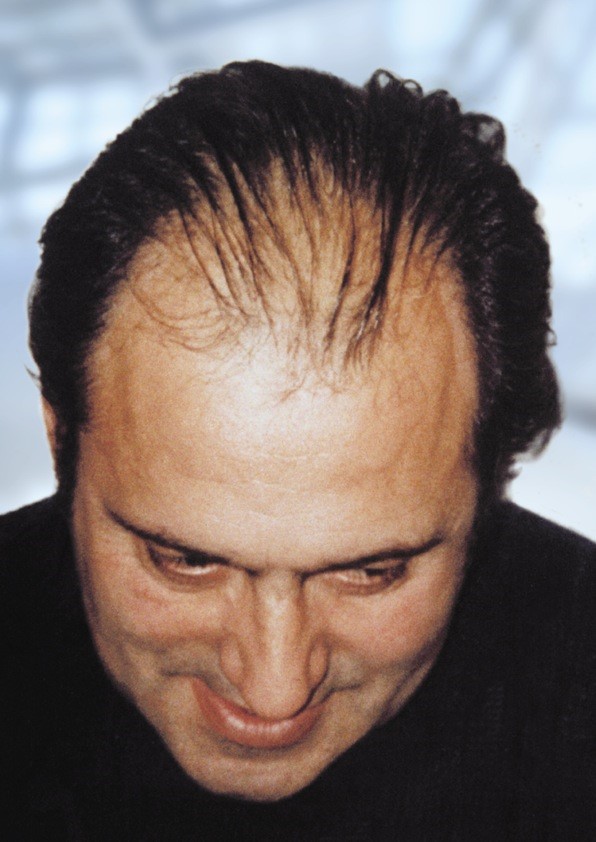
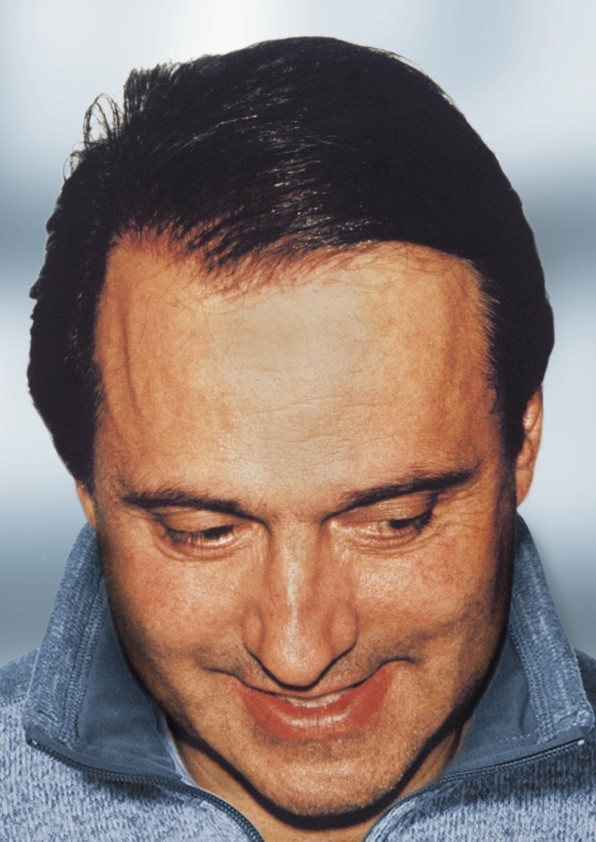
In the light of the results obtained and those presented at the conference, many doctors who are experts in hair loss surgery (Alopecia) believe that in order to obtain more satisfactory results it is often necessary to resort to the combination of different techniques.
Biocompatible Artificial Hair Transplantation and Implantation 4.0 are often used together, in order to obtain a natural aesthetic result and a high density of hair, even in the absence of sufficient donor area.
Below are some authoritative opinions on Biocompatible Artificial Hair Implantation, Transplantation and Hair Supplementation:
Palmieri B., Griselli G., D’ugo A., Palmieri G., Salti G.: Evaluation of polyamide synthetic hair. A long-term clinical study, Panminerva Med. 2000 March; 42(1):49-53 “Male and female baldness is a very puzzling topic in medicine and surgery for psychological and social reasons, many different treatments having been proposed and published in the last 50 years, either in the preventive or in the therapeutic area. From the surgical point of view, different methods are used: scalp reduction, expanders, rotation flaps, autotransplantation, and artificial hair implant”.
Gerard Seery, Hair Transplant Forum International – January/February 2002 “It should also be admitted that, of itself, FUHT is not up the task of providing comprehensive hair restoration. Something else is necessary. The newer versions of scalp reduction have been shown to be effective and safe, but are either underutilized or not utilized at all. Punch micrografts still have a place. Adjunctive modalities of treatment, e.g., micro-pigmentation, artificial fibres, are promising.”
William M. Parsley, Hair Transplant Forum International September/October 2002 “A 20-year-old never, ever has stable loss, medicines have the potential to bolster existing and grafted hair and provide much greater patient satisfaction. If you decide surgery is advisable, do you want to treat with transplants, scalp reduction, or even flaps? Or artificial fibers? All these methods mentioned above have been successful in the proper hands, with the proper skill, and will proper patient selection”.
Richard Shiell, Hair Transplant Forum International September/October 2003: “….Omissis It was pleasing to see” Case Study on Biofiber Hair Replacement – Patient Testimony on synthetic hair implants. Some of us have been performing this technique on carefully selected patients for some years past and I firmly believe that it has a place – particularly for those with inadequate remaining donor hair.
Gerard Seery, Hair Transplantation Forum International January/February 2003: “In view of this patient’s multiple failed surgeries … omitted… it is unlikely that further surgery would confer benefit. Micropigmentation would help, Artificial fiber implantation would also be relevant, but unfortunately this treatment is still subject to an FDA ban in the United States. Should this come to pass, patients with exhausted donor areas, caught in the limbo of half-baked results, could benefit from technological improvements that have occurred since the ban came into effect 20 years ago.”
Colin Westwood, Hair Transplant Forum International January/February 2003: “Dr. Gerry Brady presented a 55-year-old patient who had undergone 8 scalp reductions and 4 hair transplants. There was no remaining donor hair and the only answer was artificial hair.”
Mariangela Santiago, ISHRS 11th Annual Meeting, New York, USA October 2003: “….Omiss. One of the biggest challenges in hair restoration is the treatment of female diffuse hair loss, which is generalized on the entire scalp area. This makes it different from male hair loss, where hair in the temporal-occipital region is usually preserved. For this reason it is difficult to obtain successful results with female transplants, while Artificial fiber hair restoration has proven to be very effective.”
In conclusion, taking into account the degree of safety and efficacy that today, if performed correctly, the techniques used as a Baldness Remedy (Alopecia) are able to ensure, the Experts argue that the choice of one or more combined methods depends on the type of Alopecia (baldness) and the needs of the Patient.


Would you like to learn more about the Biofibre® technique?
Contact us if you are a physician interested in training, a patient looking for solutions against baldness, or a distributor who would like to partner with us.